If 2025 felt like a year in flux, 2026 is promising more stability. Nationally, experts expect a healthier balance between buyers and sellers. However, Hawaii continues to follow its own rhythm shaped by strong demand and limited supply.
National Snapshot
- Mortgage Rates: Most forecasts keep rates in the low 6% range for 2026—slightly lower than 2025 but still above pre-pandemic norms.
- Home Prices: Expect modest appreciation nationally, roughly 1–4%, with regional variation.
- Sales & Inventory: Existing-home sales should increase as affordability improves and more owners release their “rate lock” of ultra-low pandemic mortgage rates to re-enter the market. Inventory will rise in many areas, giving buyers more choices.
What it means: The U.S. market is moving toward balance, but real estate is always local—and Hawaii’s story is different.
Hawaii’s Market: Still Unique
At the recent Honolulu Board of REALTORS® Economic Forum, NAR Chief Economist Dr. Lawrence Yun described Hawaii’s market as a “healthy recalibration.” We’re not seeing dramatic swings—just steady conditions shaped by strong demand and limited supply.
- Prices: Local forecasts point to about 4% growth in 2026.
- Inventory: Single-family homes remain tight, while condos offer more choices in select areas.
- Sales: Activity is picking up as more sellers enter the market. Oahu saw an 18.7% rise in single-family home sales in November, with a year-to-date median of $1,141,500.
- Mortgage Rates: Expect averages around 6.3%, which helps affordability a bit compared to last year.
FAQ (Frequently Asked Questions)
Are rates finally dropping?
We’re seeing a slight improvement, but don’t expect a dramatic plunge. Most forecasts keep rates in the low 6% range for 2026—better than last year, but still above pre-pandemic levels. If you’re planning to buy, it often makes sense to move forward with today’s numbers and consider refinancing later if rates dip further.
Is Hawaii a buyer’s market now?
Not for single-family homes—those remain competitive due to limited inventory. Condos, however, offer more choices and a bit more negotiating room in certain neighborhoods. It really depends on the property type and location, which is why local insight matters.
Should buyers wait for prices to fall?
Most experts expect modest price growth rather than declines, so waiting could mean missing out on opportunities. If the right home comes along and fits your budget, it’s often better to act now than to gamble on timing the market.
What is my home worth?
Values vary widely by neighborhood, property type, and recent sales nearby. Even small updates can influence price. If you’d like a clear picture of where your home stands today—or what steps could help maximize its value—I’d be happy to provide a personalized market snapshot.
Why Real Estate Still Matters
Dr. Yun reminded us that real estate remains one of the best hedges against inflation. Over time, property values tend to rise with the cost of living—offering both shelter and long-term financial protection. In a time when everyday costs keep climbing, owning a home remains one of the most reliable ways to build stability and long-term wealth.
What This Means for You
Markets are shifting, and every neighborhood responds differently. How can these changes support your goals? Whether it’s planning for that home you’ve always imagined--sunset views, a bigger kitchen for family gatherings, or passing the keys to someone who will love your home as much as you—I’d love to help turn those ideas into a plan that’s right for you.
Neighborhood Snapshots
Every neighborhood tells its own story. Here’s a quick look at three areas many of you ask about:
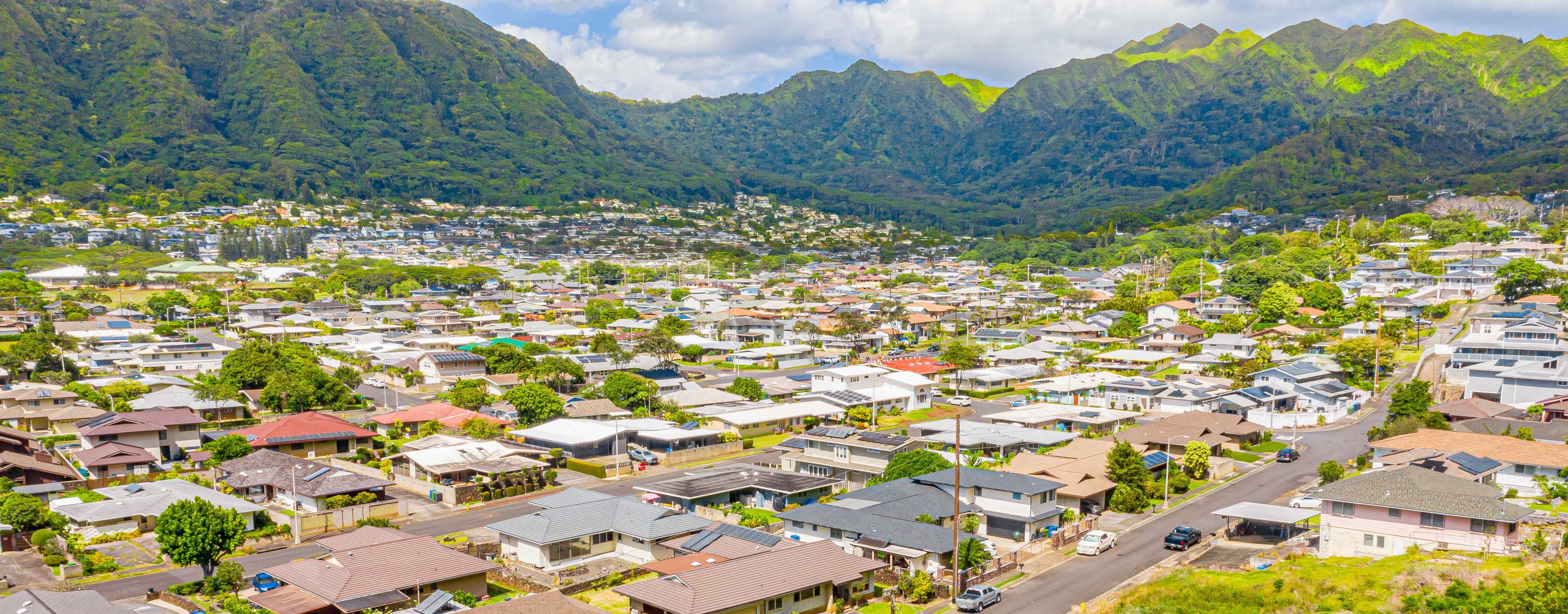
Manoa
Lush, historic, with coveted public and private schools and the University of Hawaii in close proximity. Inventory is scarce in this highly desirable neighborhood, and well-kept homes often attract strong interest and multiple offers.
Through November 2025, there were 57 sales of single-family homes sales compared to 61 at the same time last year, a decrease of 7%. The median sales price stayed consistent compared to last year at $1,655,000, just slightly lower by 2.6% compared to $1,699,000 last year. Single-family homes stayed on the market an average of 39 days in 2025, compared to 49 median days in 2024.
Due to the suburban neighborhood of Manoa, there were just seven sales of condos/townhomes which were located in the University area.
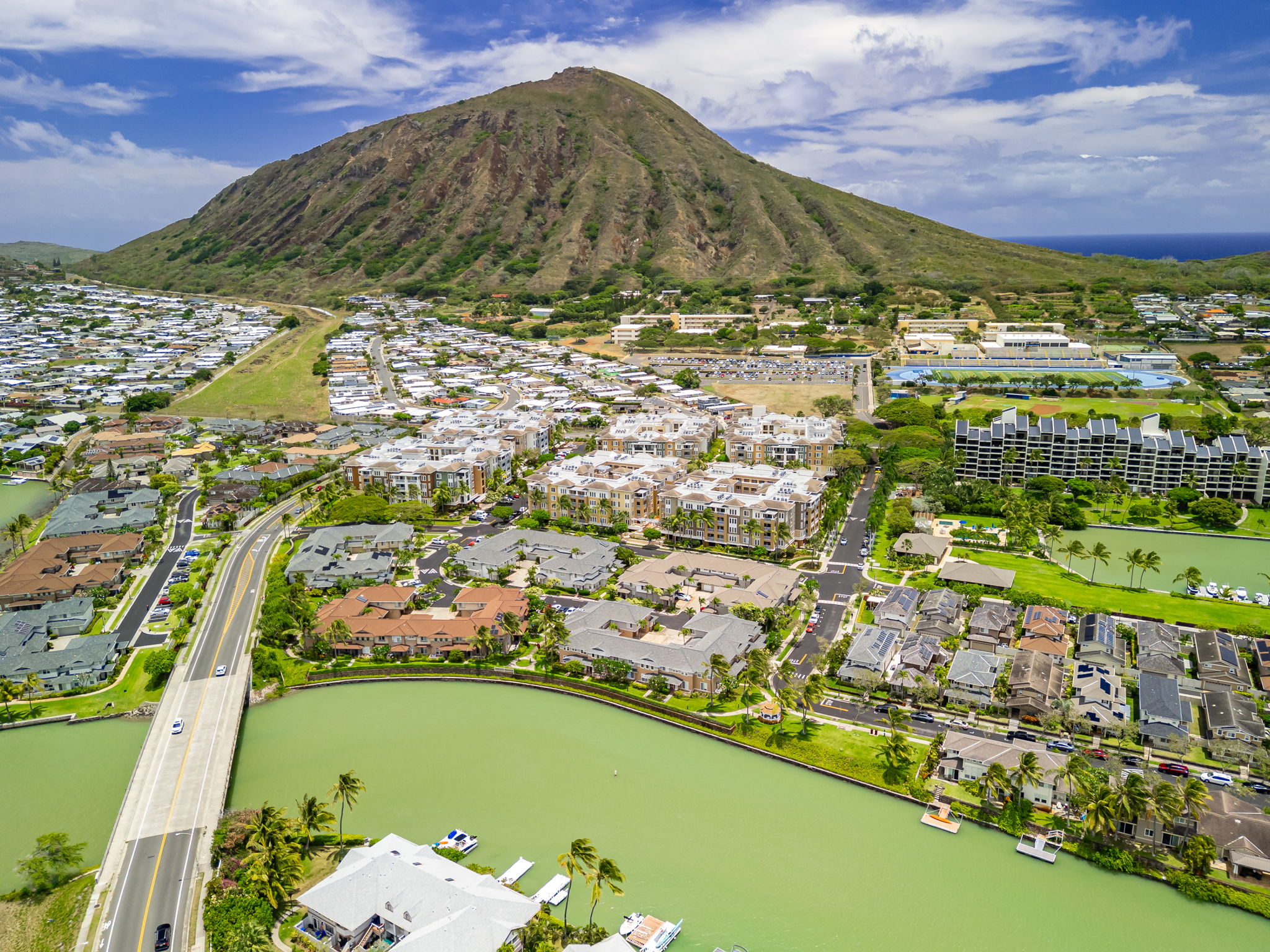
Hawaii Kai
Marina living, ocean views, and an upscale suburb neighborhood keep this community in demand. Condos and townhomes offer more entry points for buyers in Hawaii Kai which offers an active lifestyle with beaches, hikes, golf, parks and marina access for a variety of sports and hobbies.
Closed single-family home sales totaled 140 through November 2025, an increase of 9% compared to the same time last year. The median sales price is $1,612,500, a decrease of 4% from $1,675,000 last year. Median days on market is 14 days for homes in Hawaii Kai, a few days faster than 17 days on market in 2024.
For condos and townhomes, there was a total of 140 homes sold through November 2025, a 9% increase from 129 sold the same time last year. The median sales price was $850,000 which increased 4% from $820,000 in 2024, however days on market increased to 36 days in 2025 which marked a 177% increase from a median 13 days on market in 2024.
Kaneohe
Kaneohe offers the windward charm of the beautiful Koolau mountain and bay views. Pricing is generally more approachable than east Honolulu, but inventory remains tight.
Through November 2025, there were 177 sales of single-family homes sales compared to 188 at the same time last year, a decrease of 6%. The median sales price crept up to $1,250,000 in 2025 compared to 2024 at $1,217,000, an increase of 3%. Single-family homes stayed on the market for a median of 13 days in 2025, compared to 15 days in 2024.
Condo and townhome sales in Kaneohe totaled 151 through November 2025, about the same level as 2024 which totaled 149.The median sales price was $660,000 in 2025 compared to $695,000 in 2024. Days on market through November 2025 landed at a median of 22 days which reflects an increase of 47% compared to 15 days in 2024.